
Understanding the Benefits of 100% Wool in Professional Carpet Whipping
- Frances Mackenzie
- Jun 17
- 3 min read
Updated: Jul 14
Carpet whipping is a crucial finishing technique that protects carpet edges from fraying and extends their lifespan. Choosing the right material for carpet whipping can make a significant difference in durability, appearance, and overall quality. Among various options, 100% wool stands out as the gold standard for professional carpet whipping. This post explores why wool is preferred, what you need to know before starting carpet whipping, and practical tips to achieve the best results.
Why 100% Wool Is the Best Choice for Carpet Whipping
Wool has unique properties that make it ideal for carpet finishing. Here are the key benefits:
Durability: Wool fibers are naturally strong and resilient. When used for carpet whipping, wool binding resists wear and tear better than synthetic alternatives. This means your carpet edges stay intact longer, even in high-traffic areas.
Flexibility: Wool’s natural elasticity allows it to bend and stretch without breaking. This flexibility helps the whipping conform tightly to carpet edges, providing a neat and secure finish.
Aesthetic Appeal: Wool has a rich texture and natural sheen that enhances the carpet’s look. It blends well with wool carpets and adds a professional touch to synthetic carpets.
Breathability: Wool fibers allow air to circulate, reducing moisture buildup at the edges. This helps prevent mold and mildew, which can damage carpets over time.
Eco-Friendly: Wool is a renewable, biodegradable material. Choosing wool supports sustainable practices compared to synthetic fibers derived from petroleum.
What You Need to Know Before You Start Carpet Whipping
Before you begin, understanding the basics of carpet whipping will help you achieve a clean, durable finish.
Tools and Materials
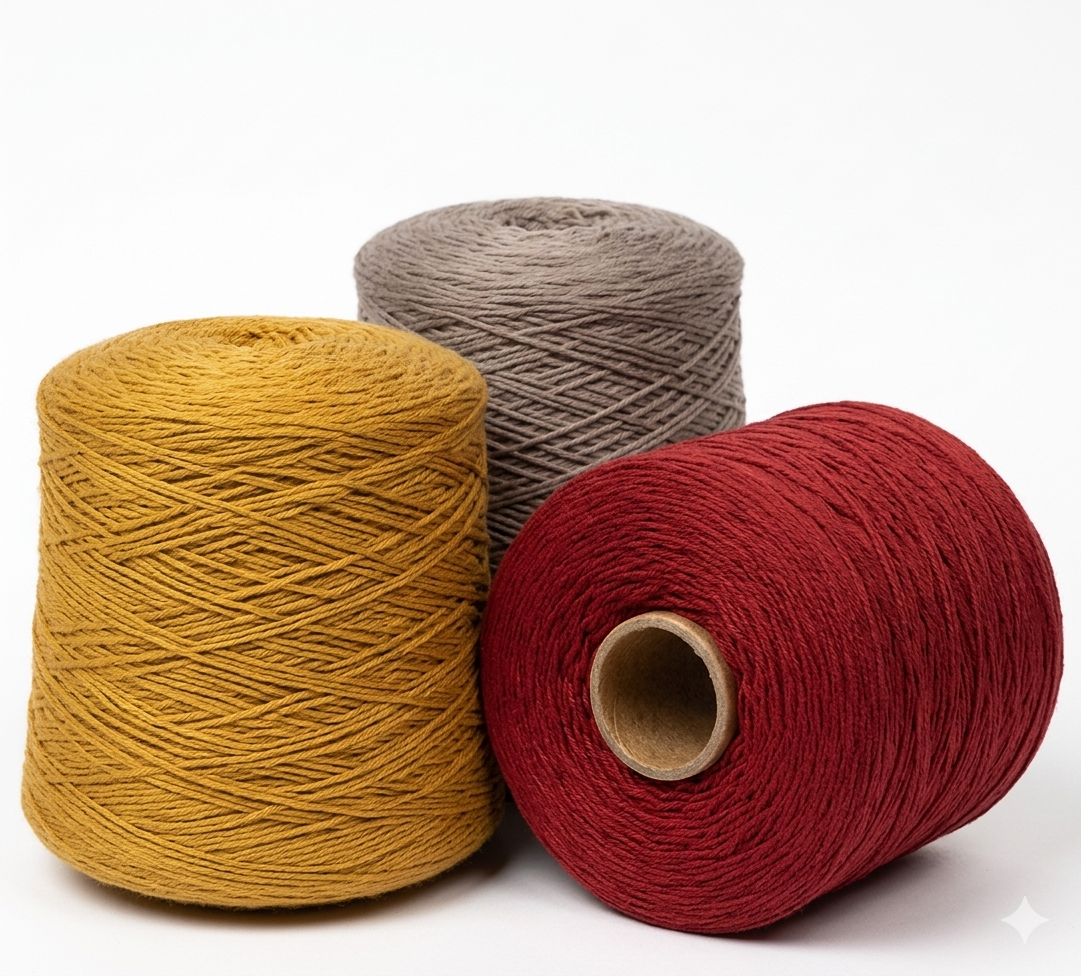
Whipping yarn: Choose 100% wool yarn that matches or complements your carpet color.
Whipping needle: A large, blunt needle designed for carpet work.
Scissors: Sharp scissors for trimming yarn and carpet edges.
Measuring tape: To measure the length of edges to be whipped.
Carpet adhesive or double-sided tape (optional): For securing edges before whipping.
Preparing the Carpet Edge
Trim the carpet edge evenly to remove any loose fibres.
If the carpet has a backing, ensure it is clean and dry.
For synthetic carpets, consider applying a thin layer of adhesive to prevent unravelling before whipping.
Whipping Technique Basics
Start at one corner of the carpet edge.
Thread the wool yarn through the needle and knot the end securely.
Insert the needle through the carpet edge and pull the yarn tight.
Wrap the yarn around the edge, stitching closely and evenly.
Keep tension consistent to avoid loose or puckered edges.
Finish by tying off the yarn securely and trimming excess.
Practical Tips for Using 100% Wool in Carpet Whipping
Using wool requires some care to get the best results. Here are some tips:
Match yarn thickness to carpet pile: Thicker yarn works well with dense, high-pile carpets, while thinner yarn suits low-pile carpets.
Choose the right colour: Select wool yarn that either matches the carpet colour or provides a subtle contrast for a decorative effect.
Maintain even tension: Uneven tension can cause the edge to look sloppy or warp the carpet shape.
Work in sections: For large carpets, whip edges in manageable sections to maintain control and quality.
Use quality wool yarn: Avoid blends or low-grade wool that may shed or weaken quickly.
Practice on scraps: If you’re new to carpet whipping, practice on carpet scraps to build skill and confidence.
Why Professionals Prefer Wool for Carpet Whipping
Professional carpet installers and finishers choose wool because it delivers consistent, long-lasting results. Wool’s natural strength and appearance make it easier to work with and more reliable over time. Unlike synthetic yarns, wool does not melt or degrade quickly, even with exposure to heat or sunlight.
In addition, wool’s ability to absorb dyes means it can be custom-colored to match any carpet shade, offering a seamless finish. This customisation is especially valuable in high-end installations where appearance matters as much as durability.
Final Thoughts on Choosing 100% Wool for Carpet Whipping
Choosing 100% wool for carpet whipping is an investment in quality and longevity. Wool’s durability, flexibility, and natural beauty make it the preferred choice for professionals and DIY enthusiasts alike. Before starting, prepare your tools and carpet edges carefully, select the right wool yarn, and practice your technique to ensure a polished finish.

Comments